
Teen Therapy
The teenage years are full of change. For many teens, this time can feel overwhelming, confusing, or isolating. Whether it shows up as withdrawal, irritability, academic stress, or low self-worth, therapy offers a space to feel supported, understood, and better equipped to cope with life’s challenges.
SUPPORTING TEEN MENTAL HEALTH
Professional Counselling for Teens
in Kingston, Ontario
Adolescence is a time of rapid growth—emotionally, socially, and psychologically. It’s also a time when mental health challenges can emerge or intensify. Supporting teen mental health means more than addressing symptoms—it’s about creating space for teens to feel seen, heard, and understood. With the right support, teens can learn to navigate stress, build emotional resilience, and develop a stronger sense of self as they move through this important stage of life.
Queens University
During my internship, I supported students navigating early adulthood—many of whom shared struggles rooted in their teen years. This deepened my understanding of the challenges adolescents face and informs my work with teens today.
Ontario Certified Teacher
I have firsthand insight into the academic pressures, social dynamics, and emotional challenges that teenagers face in educational settings. I understand the complexities of peer relationships and the impact of school-related stress on mental health.
Extensive Experience
I’ve supported teens in a range of settings—including leading summer camps, facilitating after-school programs, working in shelters with youth experiencing family violence, and supporting youth from diverse backgrounds through immigration resettlement services.
When Teens Are Struggling
Today’s teens are navigating more than ever—academic pressure, social media, shifting identities, and constant comparison. It’s no surprise that many feel overwhelmed, disconnected, or unsure of themselves. These feelings often surface as changes in mood, sleep, motivation, or relationships. As a parent, it can be hard to know what’s typical—and what might be a sign your teen needs extra support.
Therapy gives teens a consistent, non-judgmental space to process what they’re experiencing and develop healthier ways to cope.
Emotional Health & Identity Development
Anxiety, depression, and low self-esteem are common struggles in adolescence. Many teens have difficulty identifying or expressing how they feel, and parents are often left trying to interpret the signs.
Counselling can help teens:
- Develop a stronger sense of identity
- Understand and regulate their emotions
- Build resilience and self-confidence
- Improve communication and boundaries
- Navigate friendships, peer pressure, and family dynamics
Strengthening Family Connection
Even in close families, communication can become strained during the teen years. Therapy provides a space for teens to feel seen and heard while offering parents insight and support.
When families understand one another better, they can build:
- Consistency and cohesion in how they navigate challenges together
- More trust and connection
- Greater emotional safety
Social Media, Screens, and Mental Health
Screens and social media are deeply woven into teen life—but they can also amplify anxiety, self-doubt, and disconnection. Teens may feel pressure to stay constantly connected, compare themselves to others, or present a “perfect” version of their lives online.
In therapy, teens can explore their relationship with social media and screen use in a non-judgmental way. We’ll look at how it affects their well-being and create healthier boundaries that support—not sabotage—their mental health.
REAL STRUGGLES. COMPASSIONATE SUPPORT.
Common Mental Health Concerns
In Adolescence
Below are some of the most common concerns I help teens navigate in therapy—each one valid, and each one an opportunity for growth, healing, and support.
Mental Health
- Anxiety and excessive worry
- Depression or persistent sadness
- Low self-esteem and self-worth
- Coping with stress and academic pressure
- Emotional regulation and mood swings
Social Challenges
- Anger management and impulse control
- Risk-taking behaviours (substance use, self-harm, etc.)
- Social skills and peer relationships
- Bullying (as a victim or perpetrator)
- Struggles with motivation or engagement in activities
Family Issues
- Parent-teen communication and conflict resolution
- Coping with family transitions (divorce, blended families, relocation)
- Sibling rivalry and family dynamics
- Navigating independence while maintaining family connections
Identity Formation
- Self-discovery and identity formation
- Building confidence and resilience
- Developing decision-making and problem-solving skills
- Navigating gender identity or sexual orientation
- Neurodivergence
Academic Challenges
- Managing perfectionism and fear of failure
- Study habits, organization, and time management
- Planning for the future (post-secondary education, career exploration)
2SLGBTQQIA+ Support
- Exploring gender identity or sexual orientation
- Navigating coming out
- Coping with bullying, exclusion, or unsupportive environments
- Building confidence, connection, and self-acceptance
Healing & Trauma
- Processing grief and loss
- Healing from past trauma (abuse, neglect, family violence, etc.)
- Adjusting to significant life changes
Is your concern not listed above?
Please review the concerns I’m unable to support as they fall outside the scope of my current practice.
Office Location
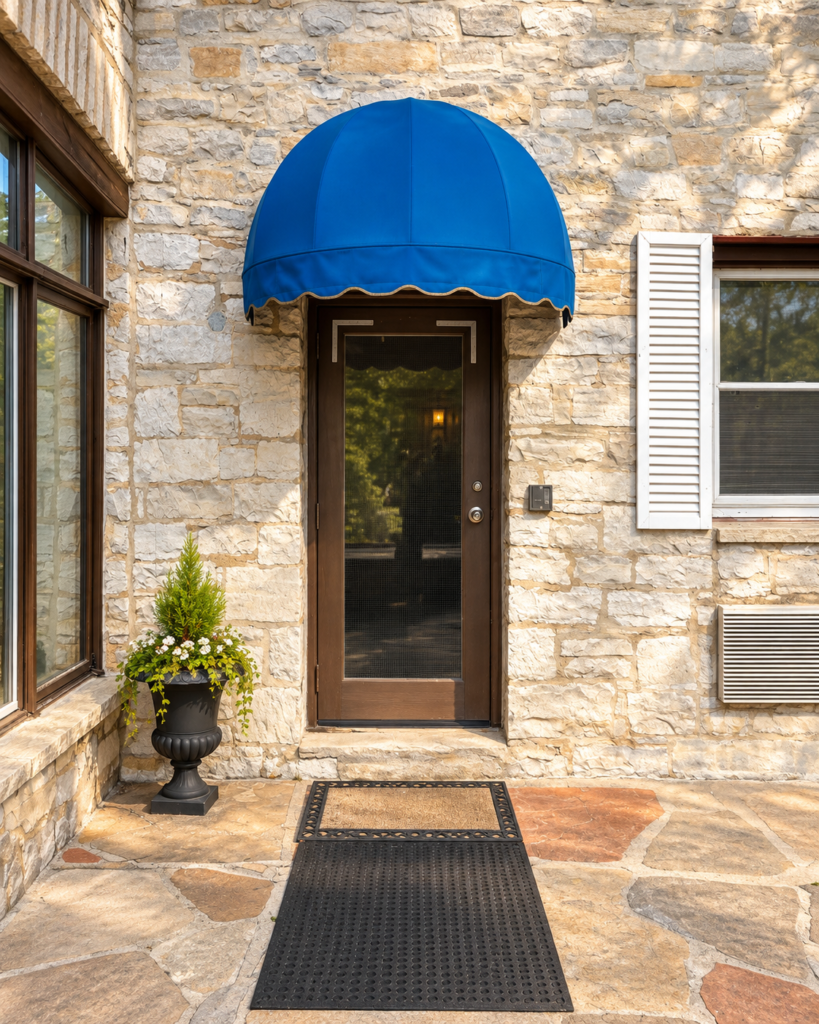
Appointments for teens are held at my Kingston office located at 2263 Princess Street, Unit 3, at the intersection of Princess Street and Sydenham Road. Free parking is available on-site. Please enter through the side door with the blue awning and take a seat in the waiting room—I’ll come greet you at your scheduled appointment time.


Mental Health Resources for Teens
Adolescence comes with its own set of challenges—emotional ups and downs, shifting identities, and increasing demands. This page offers a list of trusted mental health resources in Kingston to help teens feel supported, understood, and less alone.


Other Resources for Teenagers
Support doesn’t end with mental health. Teens in Kingston have access to a range of community programs, services, and spaces that foster connection, creativity, and personal growth. Whether you’re looking for volunteer opportunities, youth drop-ins, or arts and recreation programs—these resources are here to help teens feel supported and engaged in their community.


Areas I am Unable to Support
While I work with a wide range of concerns, my practice may not be the right fit for individuals seeking support for:
- Substance use disorders as a primary concern – I am not an addictions specialist and do not provide primary treatment for substance use disorders.
- Acute crisis or emergency support – My practice does not provide crisis or emergency services. If you are at imminent risk of harming yourself or someone else, or are experiencing an acute psychiatric emergency, please contact emergency or crisis services in your area.
- Eating disorders as a primary concern – I do not specialize in the treatment of eating disorders such as anorexia nervosa or bulimia nervosa.
- Court-ordered therapy or high-conflict custody matters – I do not provide court-ordered or mandated therapy, custody evaluations, or services intended for use in legal proceedings.
- Bipolar, personality, or psychotic disorders as a primary concern – My practice does not specialize in the treatment of bipolar disorder, personality disorders (including borderline personality disorder), or psychotic disorders such as schizophrenia. Clients seeking primary treatment for these conditions are best supported by clinicians with specialized training and experience in these areas.
If you’re unsure whether we’d be a good fit, I encourage you to reach out. If I’m not the right therapist for you, I’m happy to provide referrals where possible.
Please note: As a Registered Psychotherapist, I am unable to provide formal diagnoses for ADHD, learning disabilities, autism spectrum disorder, or other neurodevelopmental conditions. However, I can support clients in exploring their experiences and completing certain screening tools if appropriate. If a formal diagnosis is needed, I recommend consulting your primary care physician or a psychologist to discuss assessment options. Please contact me if you have any questions.
Office Location
My office is centrally located in the historic Beamish House at the corner of Princess Street and Sydenham Road. The office is easily accessible from Highway 401, John Counter Boulevard and Taylor Kidd Boulevard.
Enter through the door with the blue awning.



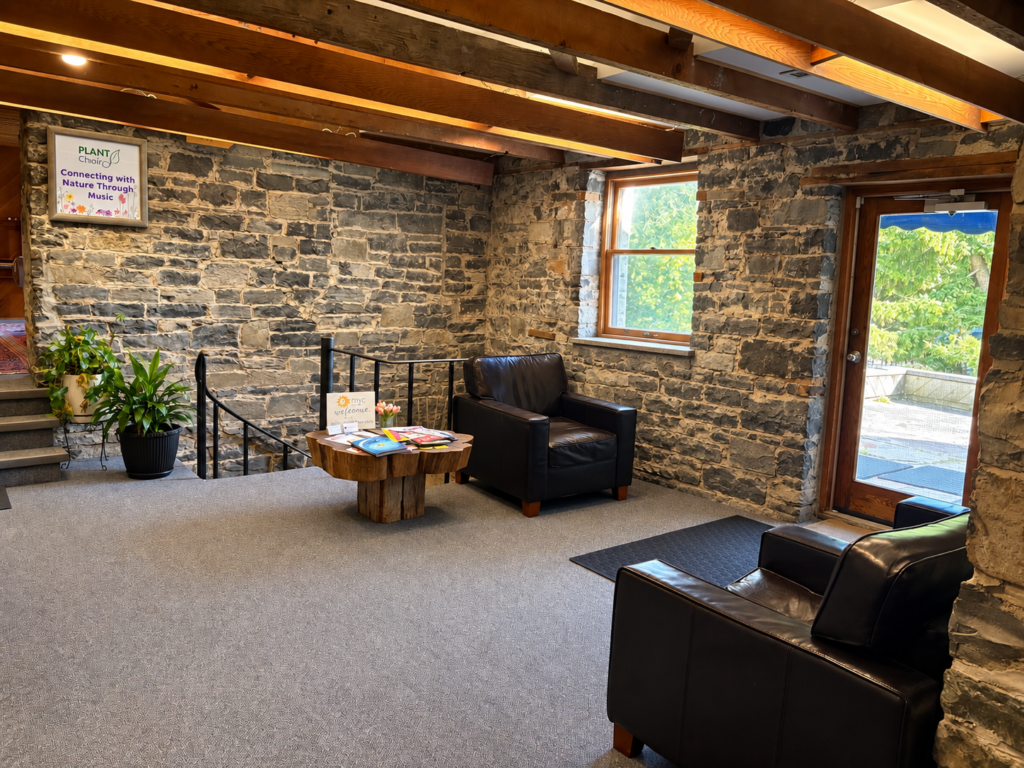
The Waiting Room
The waiting room is the first room as you enter. Please take a seat in one of the chairs and I’ll meet you when it’s time for your appointment.
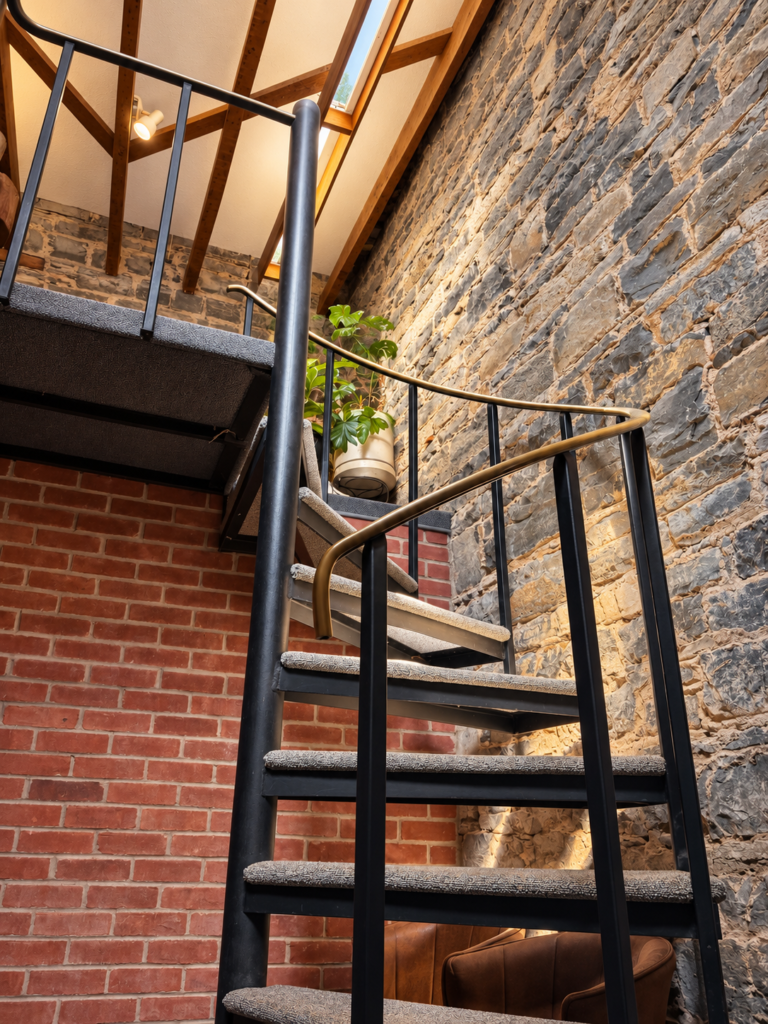
Washrooms are located downstairs, just down the spiral staircase.

My Office
Tucked away in a quiet corner on the main floor of the building is my office. Spacious and warmly lit, the space benefits from soft natural light through the large window throughout the day, creating a calm and comfortable atmosphere. The built-in shelving invites curiosity and exploration, particularly for my younger clients. Free Wi-Fi is available, and snacks and refreshments are always on hand.



Google Maps
Address
2263 Princess Street
Text
613-329-5066
info@michellelehoux.com
Ready to Book?
You can book a psychotherapy appointment anytime through the secure client portal. Choose a time that fits your schedule, no back-and-forth emails needed. Evening and weekend appointments are available to accommodate busy schedules.
I’m here when you’re ready to begin.
Still have questions?
Check out Frequently Asked Questions or contact me.
