
Therapy for Obsessive Compulsive Disorder
I offer specialized psychotherapy for Obsessive-Compulsive Disorder (OCD) for teens and adults in Kingston, Ontario. Treatment is structured, evidence-based, and specifically targeted to the OCD cycle.
Obsessive Compulsive Disorder (OCD)
Obsessive-Compulsive Disorder (OCD) affects approximately 1 in 40 adults and often begins during childhood, adolescence, or early adulthood.
OCD involves unwanted, intrusive thoughts, images, or urges (obsessions) and behaviours or mental rituals (compulsions) used to reduce distress or uncertainty. Over time, this cycle can become increasingly time-consuming and interfere with school, work, relationships, daily routines, and overall quality of life.
Despite its impact, OCD is often under-recognized and undertreated, and people may live with symptoms for years before receiving an accurate diagnosis and OCD-specific treatment.
Common OCD Presentations
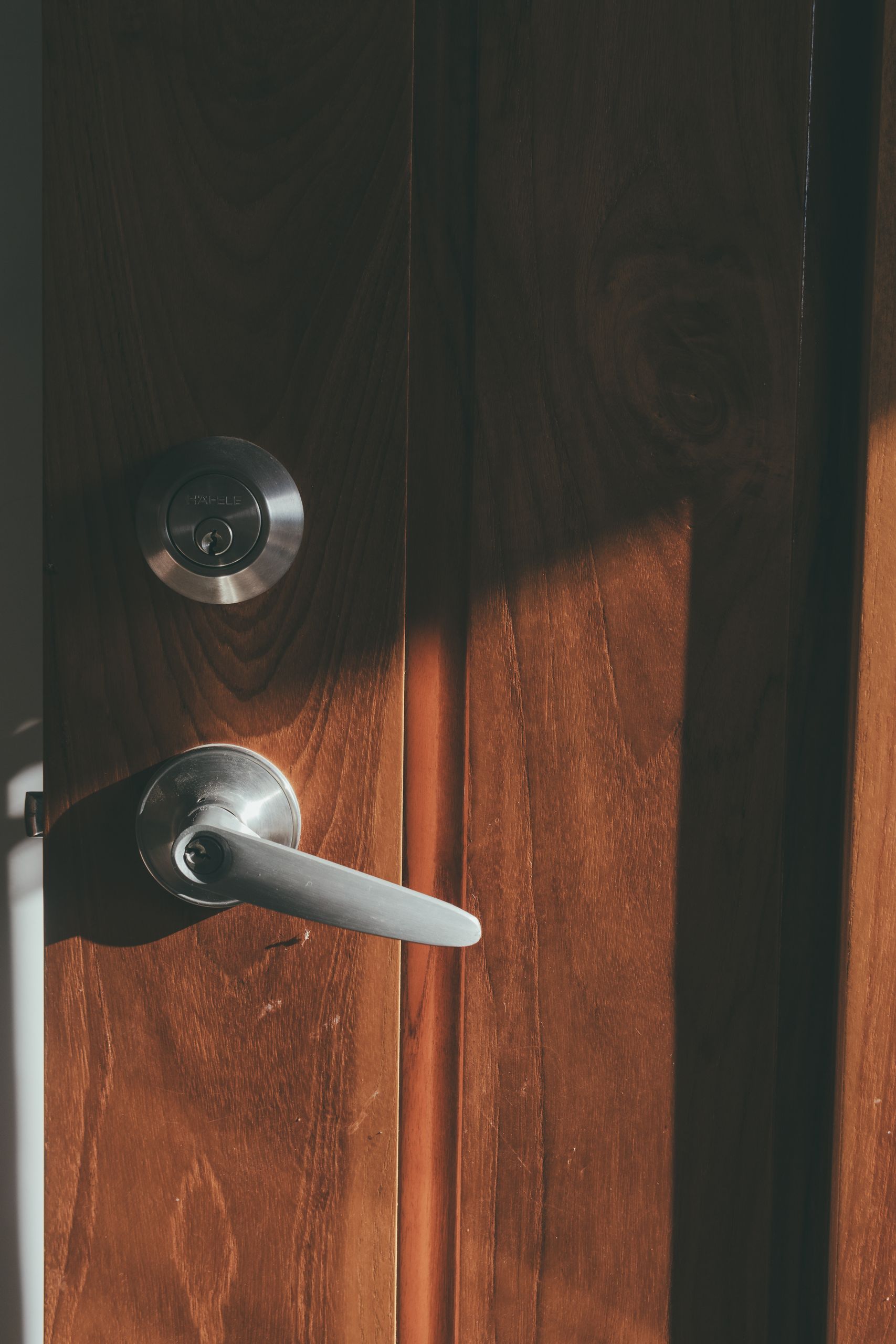
Checking
Persistent uncertainty about whether something is correct, safe, or complete, leading to repeated checking or reassurance seeking.
“Just Right”
A need for things to feel right, complete, or acceptable, often leading to repeating, redoing, or correcting until they do.

Contamination
Fear of germs, illness, dirt, chemicals, or feeling contaminated, often followed by cleaning or avoidance.
Checking OCD
Checking OCD involves persistent uncertainty about whether something is correct, safe, complete, or happened the way you remember it. You might repeatedly check locks, appliances, work, messages, memories, or other details because it feels difficult to trust that checking once is enough.
Checking usually brings a brief sense of relief, but the doubt often returns, sometimes even stronger. Over time, repeatedly checking or asking others for reassurance can teach your brain that you need certainty before you can move on, which keeps the OCD cycle going.
“Just Right” OCD
“Just Right” OCD involves a strong feeling that something is off, wrong, incomplete, or not quite right, even when there may be no clear reason why. You might feel driven to repeat, redo, correct, count, or adjust something until it finally feels acceptable or “right.”
Following that urge can bring temporary relief, but the uncomfortable feeling often returns the next time something doesn’t feel right. Over time, repeatedly correcting the feeling teaches your brain that things must feel right before you can move on, which keeps the OCD cycle going.
Contamination OCD
Contamination OCD involves persistent fears or uncomfortable feelings about germs, illness, dirt, chemicals, bodily fluids, or other sources of contamination. You might feel driven to wash, clean, sanitize, change clothes, avoid certain objects or places, or ask others whether something is safe or clean.
Cleaning or avoiding contamination can bring temporary relief, but the fear or sense of contamination often returns. Over time, these behaviours teach your brain that the contamination really was dangerous and that cleaning or avoidance was necessary, which keeps the OCD cycle going.
Bad Thoughts OCD
Bad Thoughts OCD involves unwanted, intrusive thoughts, images, or urges that feel disturbing, frightening, inappropriate, or very different from who you believe yourself to be. You might become stuck wondering “Why did I think that?”, “What if this means something about me?”, or “What if I actually did something terrible?”
Trying to get certainty about these thoughts can lead to compulsions such as reviewing memories, analyzing what the thought means, avoiding triggers, confessing, seeking reassurance, or trying to replace a “bad” thought with a “good” one. These strategies may bring temporary relief, but they teach your brain that the thought is important or dangerous, which keeps the OCD cycle going.

Ordering OCD
Ordering OCD involves a strong need for objects or surroundings to be organized, positioned, symmetrical, or arranged in a particular way. You might feel driven to line things up, keep items in specific places, make things even or balanced, or repeatedly adjust objects when they don’t look the way they are supposed to.
Arranging things correctly can bring temporary relief, but the discomfort often returns when something is moved or out of place. Over time, repeatedly fixing or rearranging things teaches your brain that the discomfort needs to be corrected rather than tolerated, which keeps the OCD cycle going.

Exposure and Response Prevention (ERP)
Exposure
Response Prevention
Learning to Tolerate Distress and Uncertainty
Resources
Obsessive Compulsive Disorder (OCD)
The Centre for Addiction and Mental Health (CAMH) provides a comprehensive overview of OCD, including information about screening and assessment, diagnosis, treatment, medication, psychotherapy, and additional resources. It can be a helpful starting point for individuals and families who want to better understand OCD and learn about evidence-based treatment options. camh.ca
Kingston Health Sciences Centre (KHSC) provides specialized mental health services for children and youth in Kingston and the surrounding region. Services include outpatient assessment and treatment, specialized eating disorder care, urgent mental health consultation, and inpatient care.
Outpatient Child & Youth Mental Health Services
KHSC provides specialized assessment and treatment for children and youth experiencing a range of mental health concerns. Services are provided through the Child & Youth Mental Health Program at the Hotel Dieu Hospital site. Referral requirements vary by service.
Child & Youth Eating Disorders Program
Specialized outpatient assessment and treatment are available for children and youth ages 8–17 experiencing eating disorders. Services may include family-based therapy, individual therapy, nutritional support, and medical monitoring. A physician or nurse practitioner referral is required.
Urgent Consult Clinic
The Child & Youth Mental Health Urgent Consult Clinic provides expedited assessment for children and youth experiencing serious and urgent mental health concerns, including significant risk of harm to themselves or others. Referrals are required and are triaged by the clinical team.
For an immediate mental health emergency, visit the nearest emergency department or call 911.
Child & Youth Inpatient Unit
KHSC operates an eight-bed inpatient mental health unit for children and youth under 18 who require short-term, hospital-based mental health care. Treatment may include individual and group interventions, education support, family involvement, and discharge planning.
Contact Information
Location: Hotel Dieu Hospital, 166 Brock Street, Kingston, ON K7L 5G2
KHSC General Information: 613-549-6666
For current referral information, eligibility requirements, and program-specific contact information, visit the KHSC Mental Health & Addiction Care – Children and Youth website.
Resolve Counselling Services Canada offers counselling for children and youth ages 7–25 who are experiencing social, emotional, family, or relationship difficulties. The Child & Youth Counselling Program serves young people and their families in Kingston, Frontenac, Lennox & Addington.
Child & Youth Counselling
Counselling is available for a range of concerns, including stress and depression, school and family difficulties, challenging emotions, relationships with parents and extended family, sexual orientation and gender identity, addiction, and eating disorders.
Family & Relationship Support
Counsellors can support young people experiencing changes in family life or structure, difficulties in relationships with parents or extended family, and challenges at home.
Transitions & Independence
Support is available for youth navigating the transition from living at home toward greater independence.
Group & Community-Based Support
Group sessions are also available, and Resolve works with community partners to provide counselling and connect young people with additional supports when needed.
Contact Information
Kingston: 417 Bagot Street, Kingston, ON K7K 3C1
Phone: 613-549-7850
TTY: 888-234-0414
Email: info@resolvecounselling.org
Visit Resolve Counselling Services Canada for current program, fee, and appointment information.
Youth Diversion Kingston provides prevention, early intervention, counselling, mentoring, and youth justice programs for children, youth, and families in Kingston and the surrounding KFL&A region. Programs are designed to help young people navigate challenges, strengthen skills, and connect with supportive resources and opportunities.
Mentoring
Volunteer mentors provide one-on-one support to help young people work toward personal goals and navigate the challenges of adolescence.
Youth Outreach
Youth Outreach provides prevention and intervention support for youth who may be at risk, helping them connect with community services and positive opportunities.
Rebound
Rebound is a 10-week structured program designed to help youth develop skills for navigating the challenges of adolescence.
KAIROS
KAIROS provides outreach counselling for youth experiencing substance use concerns, either personally or within their family.
Intersections
Intersections provides early intervention for youth who may be at risk of becoming involved with the justice system and offers support to their families as needed.
Youth Justice
Youth Diversion offers programs for youth ages 12–17 who have been charged with lower-risk offences, providing community-based alternatives and supports within the youth justice system.
MEND
MEND is a restorative-practice program focused on strengthening relationships and addressing conflict within Limestone District School Board communities.
Contact Information
Address: 299 Concession Street, Kingston, ON K7K 2B9
Phone: 613-548-4535
Email: info@youthdiversion.org
For current programs, eligibility, and referral information, visit the Youth Diversion Kingston website.
Kingston Interval House provides emergency shelter, counselling, and community-based support for women, children, and youth who have experienced or are at risk of experiencing intimate partner violence, family violence, or domestic abuse.
Child & Youth Support
Children and youth affected by violence can access counselling and support through Kingston Interval House. Services are available both to children staying at the shelter and to children and youth living in the community.
Emergency Shelter
Kingston Interval House operates a 24-hour emergency shelter for women, children, and youth who have experienced or are at risk of violence. Female youth ages 16 and older may also access the shelter independently.
Family & Community Support
Support may include counselling, safety planning, advocacy, referrals, and assistance connecting with community services. Kingston Interval House also provides transitional and housing support to help women and their children establish safety and stability in the community.
Contact Information
24-Hour Crisis & Support Line: 613-546-1777
Toll-Free: 1-800-267-9445
Text: 343-309-5999
Office: 613-546-1833
Email: info@kingstonintervalhouse.com
For current services, shelter access, counselling, or support, visit the Kingston Interval House website or contact their 24-hour Crisis & Support Line.
he Sexual Assault Centre Kingston (SACK) provides free, confidential support for survivors of recent or historical sexual violence in Kingston, Frontenac, Lennox & Addington. Services are available to survivors ages 12 and older of all genders and identities.
Youth Counselling
Specialized counselling is available for youth ages 12–19 who have experienced sexual violence. Youth receive priority access to SACK’s Skills and Support counselling program, which provides short-term counselling focused on understanding trauma responses, coping with distress, and addressing the impacts of sexual violence.
Crisis & Support Services
Confidential crisis and support services are available 24 hours a day by phone. Online chat and text support are also available for survivors and those seeking information or support.
Advocacy & Accompaniment
SACK can provide information, referrals, advocacy, and accompaniment for survivors accessing medical or legal services.
Contact Information
24-Hour Crisis & Support Line: 613-544-6424
Toll-Free: 1-877-544-6424
Youth Counselling Intake: 613-545-0762 ext. 106
Email: intake@sackingston.com
Address: 400 Elliott Avenue, Unit 1, Kingston, ON K7K 6M9
For counselling, crisis support, or current service information, visit the Sexual Assault Centre Kingston website.
The One Roof KFLA Regional Youth Hub is a community hub that brings together a range of health, mental health, housing, and social supports for youth in Kingston and the surrounding KFL&A region.
Mental Health & Wellness
Youth can access mental health and substance use support, care navigation, peer support, and individual or group therapy. One Roof also offers primary health care and wellness programming.
Housing & Practical Support
Support is available for youth experiencing housing instability or homelessness, including housing prevention and diversion services. Youth can also access assistance related to education, employment, training, and other practical needs.
Community & Social Support
One Roof offers recreational and educational programming, family support, outreach, cultural programming, and opportunities for young people to connect with community services in one location.
Contact Information
Location: 622 Princess Street, Kingston, ON K7L 1E3
Home Base Housing: 613-542-6672
Email: info@kingstonhomebase.ca
For current services, programs, and information about accessing support, visit the One Roof KFLA Regional Youth Hub website.
One Stop Talk / Parlons maintenant provides free, immediate mental health support for children and youth under 18 across Ontario. Young people and their families can connect with a registered therapist without a referral or appointment.
Immediate Counselling Support
A registered therapist can provide a single counselling session focused on the concern that is most important to the child, youth, or family at that time. Support is available for concerns such as anxiety, low mood, stress, relationships, behaviour, school difficulties, and other mental health challenges.
Connecting With Ongoing Support
When additional support would be helpful, the therapist can assist families in identifying appropriate services and connecting with local child and youth mental health resources.
Accessing the Service
Sessions are available virtually or by phone, seven days a week. There is no cost to use the service and no referral is required.
For current hours or to connect with a therapist, visit the One Stop Talk website.
Kids Help Phone provides free, confidential mental health and crisis support to children, teens, and young adults across Canada. Support is available 24 hours a day, seven days a week.
Professional Counselling
Young people can speak with a professional counsellor by phone for confidential support with mental health, relationships, family concerns, school, identity, bullying, crisis situations, and other challenges.
Text & Online Support
Kids Help Phone also offers support by text and online, giving young people different ways to reach out depending on what feels most comfortable.
Contact Information
Call: 1-800-668-6868
Text: Text CONNECT to 686868
For current services and additional ways to access support, visit the Kids Help Phone website.